
Signs of Malnutrition in Cats


Even the healthiest-looking cats can miss out on vital nutrients. Learn how to spot the early signs of malnutrition in cats — from dull coats to low energy — and discover how balanced, high-protein nutrition can help keep your feline strong, healthy, and full of life.
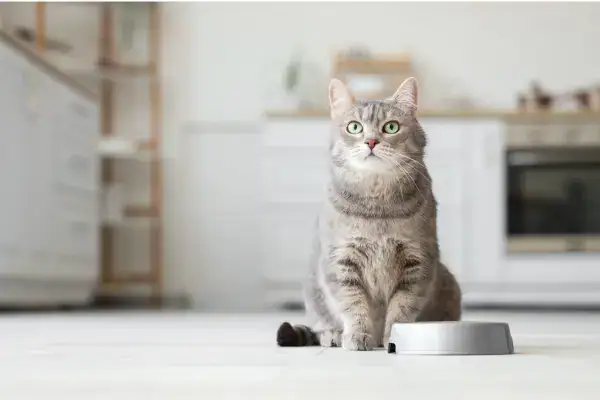
Even the most loved cats can show subtle signs of not getting all the nutrients they need. Knowing what to look for can help you spot cat malnutrition early — and ensure your feline stays strong, glossy, and full of life.

What Is Malnutrition in Cats?

Malnutrition doesn’t always mean your cat isn’t eating enough — it can also mean they’re not getting the right balance of nutrients, such as proteins, fats, vitamins and minerals. Cats are obligate carnivores, which means they need animal-based protein to thrive. Without it, their bodies can’t produce essential amino acids like taurine, leading to tiredness, poor coat health, and even long-term illness.

Common Signs of Malnutrition in Cats

Cats are experts at hiding discomfort and illness, but small changes can tell you a lot. Keep an eye out for these early indicators:

  • Dull or thinning coat – A healthy cat’s fur should be glossy and soft; dryness or excessive shedding can signal nutrient deficiency.
  • Weight loss or low muscle tone – Noticeable spine or rib bones commonly occur with reduce daily food intake eaten or with changes in a cat’s metabolism (eg pregnancy, hyperthyroidism). Sometimes though, it can indicate poor quality nutrition, such as low protein intake.
  • Lethargy and low energy – If your playful cat seems disinterested or tired, it could mean they’re not getting enough fuel. Diets low in taurine can lead to heart disease which would also cause these symptoms.
  • Digestive issues – Frequent vomiting, diarrhoea, or constipation may be linked to poor diet quality.
  • Slow healing and weakened immunity – Cats lacking vital vitamins and minerals may struggle to recover from small injuries or infections.

Causes of Feline Malnutrition

Even the most caring pet parents can face challenges when it comes to nutrition. Common causes include:

  • Low-quality food with fillers instead of real protein.
  • Diets labelled as “complementary” need to be fed alongside other foods/diets that are nutritionally complete.
  • Unbalanced homemade diets missing key nutrients.
  • Underlying health issues affecting digestion or absorption.
  • Stress or dental pain that makes eating uncomfortable.

How to Prevent Malnutrition in Cats

Prevention starts with a complete and balanced, natural diet rich in real meat. Look for foods made with simple, high-quality ingredients — no artificial colours, flavours, or preservatives.

Encore makes it easy to feed your cat the goodness they need:

  • 100% natural ingredients with nothing hidden.
  • High-protein recipes made from real chicken, tuna, or salmon.
  • Complementary wet food and treats that support hydration and overall wellbeing.
Cat with bowl

When to See a Vet

If you notice any sudden changes in your cat’s weight, coat, or behaviour, speak to your vet. A check-up and blood test can identify deficiencies early and help create a nutrition plan tailored to your cat’s needs.

Share this article

#LoveWhatsInside