
How to tell if your Cat is Stressed


Wondering if your cat is stressed? From changes in behaviour to hidden signs, here's how to spot stress and help them feel at ease.
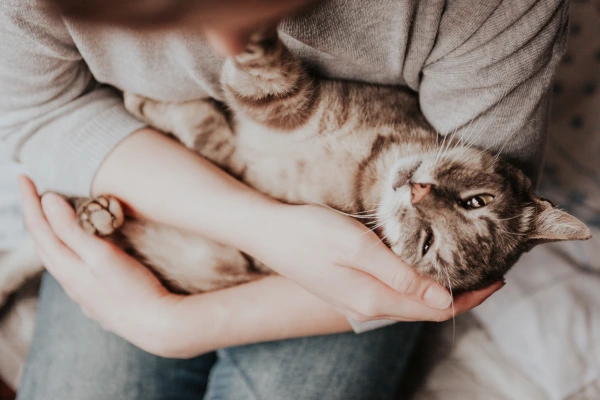
Cats are masters of disguise. They’re elegant, composed, and often mysterious — which means stress can hide beneath the surface. Whether you live with a playful kitten, a confident adult, or a wise senior, understanding the signs of stress helps you support their wellbeing and keep their world feeling safe.

7 Signs your Cat is Stressed

  • Changes in appetite
  • Hiding or withdrawing
  • Over-grooming or lack of grooming
  • Aggression or irritability
  • Changes in litter box habits
  • Excessive vocalisation
  • Body language cues

What Causes Stress in Cats?

Cats thrive on routine, predictability, and feeling in control of their environment. Stress often comes from changes such as:

  • Moving home
  • New pets or people
  • Loud noises
  • Boredom or lack of stimulation
  • Illness or pain
  • Changes in feeding routine
  • Litter tray issues
  • Conflict with other cats

Even small shifts can feel big to a sensitive feline.

Can Food Reduce Stress in Cats?

A well-nourished cat is better equipped to cope with everyday stressors. Natural, high-protein meals support steady energy, healthy digestion, and emotional balance. Encore’s high-protein recipes deliver an extra helping of natural goodness, helping your cat feel satisfied and secure.

A complete and natural diet helps reduce fussiness, digestive discomfort, and the behavioural stress that can follow.

Cat being cuddled

How to Help a Stressed Cat Feel Safe Again

Learning how to de-stress a cat can help them feel safer, happier, and more comfortable at home.

  • Keep their routine consistent
  • Create safe spaces
  • Encourage gentle play
  • Combine wet and dry food for comfort
  • Reduce environmental triggers
  • Visit your vet if stress persists
Share this article

#LoveWhatsInside