
Can Cats Be Allergic to Bee Stings?


Understand mild symptoms, allergy signs, and when to call the vet.

Sunny days and open windows can bring curious cats a little closer to nature – including to bees. Most stings cause mild, short‑lived discomfort, but some cats can be allergic to bee stings, so it’s helpful to know what’s normal and what needs quick attention. While typical reactions involve small, localised swelling, a minority of cats may experience stronger responses, especially if they’re stung more than once or in sensitive areas like the mouth or paws.
 

What Does a Normal Sting Reaction Look Like in Cats?

Most bee stings result in:

  • Localised swelling
  • Mild redness
  • Brief sensitivity or pawing at the area

These usually settle within a few hours. Keeping your cat calm and using something cool on the area can help soothe irritation.

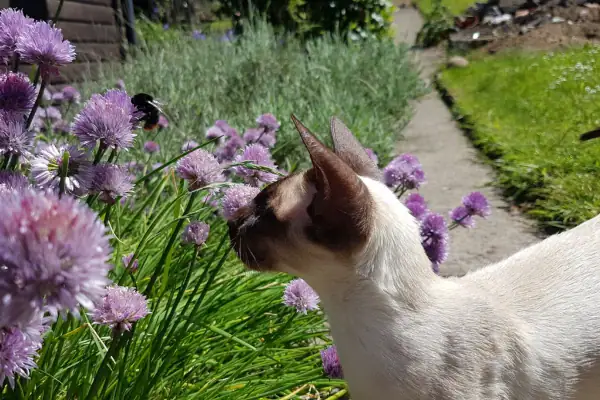
Cat sniffing flowers next to bee

Signs of an Allergic Reaction in Cats

More serious reactions can appear quickly. Look out for:

  • Breathing changes
  • Noticeable facial swelling
  • Unsteadiness or sudden lethargy
  • Vomiting or drooling

If you spot any of these symptoms, contact a vet straight away.

What To Do If Your Cat Is Stung

If you can see the stinger and it’s safe to remove, gently scrape it out rather than squeezing. Keep your cat indoors afterward so you can monitor them. When in doubt, a quick call to your vet is always the safest option.

Keeping Your Cat Safe Outdoors

Cats love exploring warm weather, and staying close by helps you spot potential hazards. Regular enrichment, fresh water, and high‑quality, natural food like Encore support their overall wellbeing – helping them stay confident and happy whether they’re inside or enjoying the garden.

Most bee stings are harmless, but knowing how to spot an allergy helps you keep your cat safe and reassured.

Share this article

#LoveWhatsInside