
How Much Sleep Does a Cat Need?


From playful kittens to wise seniors, quality sleep keeps your cat healthy, balanced and content. Explore why rest matters — and how nutrition helps support it.
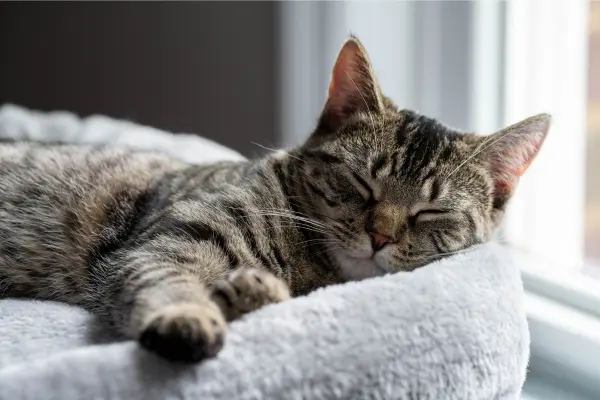
Your feline friend’s sleep habits can tell you a lot about their health, comfort and happiness.

Cats are famous for their long naps — often dozing through most of the day. But behind those peaceful stretches of sleep lies an important part of feline health. Rest isn’t just downtime; it’s a vital process that helps your cat’s body repair, recover, and stay balanced.

Sleep Needs by Life Stage

  • Kittens – Growing bodies need both nourishment and rest in equal measure. Sleep supports rapid cell growth, brain development and immune function, while a diet rich in high-quality protein provides the amino acids needed for muscle and tissue formation. Frequent naps help kittens convert nutrients into healthy growth and energy reserves.
  • Adult cats – In their prime, sleep allows the body to recover from daily activity and maintain steady energy levels. Adequate protein intake supports muscle repair and metabolism, while balanced nutrition helps regulate hormones involved in rest and alertness. Well-fed adult cats tend to enjoy deeper, more restorative sleep that keeps them agile and focused.
  • Senior cats – As cats age, their metabolism naturally slows and muscle mass can begin to decline. Quality rest becomes even more important for cell repair and joint maintenance, while highly digestible protein helps the body make the most of nutrients. Longer, lighter naps help older cats preserve strength and comfort throughout the day.
Cat sleeping

Why Sleep Matters for Health

Sleep allows your cat’s body to do vital maintenance work. During deep rest, cell repair, tissue growth, and muscle recovery all take place — helping maintain strength and flexibility. Adequate sleep also supports metabolic balance, ensuring energy is stored and used efficiently throughout the day.

Rest is equally important for hormone regulation and immune defence, giving the body time to recover from daily activity. In short, quality sleep is one of the simplest and most effective ways to keep your cat feeling well.

The Role of Nutrition in Rest and Recovery

What your cat eats can directly influence how well they sleep and recover. A high-protein, nutritionally complete diet fuels the body’s repair systems, providing amino acids for muscle maintenance and enzymes that support energy metabolism.

Nutrients such as Omega-3 fatty acids and B vitamins also play a role in healthy brain function, calm behaviour, and steady energy levels — all of which help your cat rest more deeply and wake refreshed.

Share this article

#LoveWhatsInside