
How Diet Helps Keep Cats’ Teeth Healthy


From strong teeth to healthy gums, the right diet makes all the difference. Explore how smart nutrition supports your cat’s dental health every day.
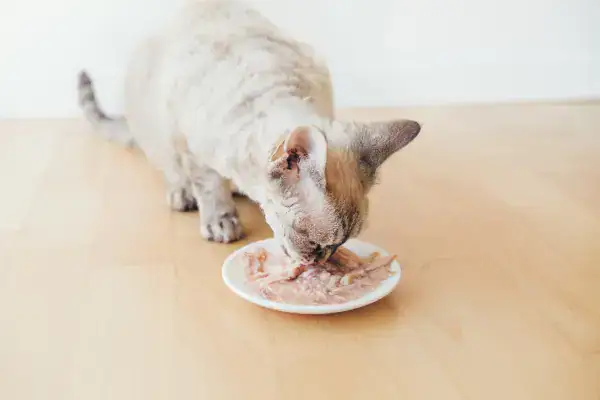
No cat enjoys a trip to the vet for dental problems — and as pet parents, we’d rather prevent them altogether. What many owners don’t realise is that a cat’s diet plays a huge role in keeping their teeth strong and gums healthy every single day.

How Nutrition Supports Healthy Teeth and Gums

Cats are true meat-eaters, and a diet rich in high-quality animal protein is key to maintaining healthy tissues in the mouth. Animal protein provides essential amino acids, such as taurine and arginine, which support gum resilience and reduce inflammation. Natural minerals such as calcium and phosphorus strengthen tooth enamel, while vitamin D aids absorption for long-term dental strength. Unlike humans, cat skin can’t turn sunlight into vitamin D, so it must come from their diet.

The right diet also helps protect teeth in a more practical way. A balance of wet and dry textures encourages chewing and saliva production, which naturally helps wash away debris and bacteria. Meanwhile, natural, filler-free ingredients are gentler on teeth and gums, helping prevent plaque build-up.

When choosing food to support oral health, look for:

  • High meat content — real meat or fish as the main ingredient.
  • Natural sources of vitamins and minerals for strong teeth and bones.
  • Hydrating recipes that promote saliva flow.
  • No added sugars, flavours, or preservatives that can irritate gums.
Cat eating

Encore’s recipes are made with natural ingredients — real protein, with no added sugars or preservatives. Each pouch or tin provides nutritional support for your cat’s teeth, gums and over vitality. Shop our products: Natural Cat Food | Luxury Cat Food | Encore Cat Food

Signs of Good Oral Health in Cats

  • Clean, white teeth without visible tartar.
  • Pink, firm gums that don’t bleed when eating.
  • Fresh breath without a sour or metallic smell.
  • Normal chewing and appetite.
  • Bright, alert behaviour — cats with healthy mouths eat, play, and groom happily.

Regularly observing these signs helps you catch changes early — before they turn into dental problems. If you notice any other changes with your cat’s mouth or eating behaviour, it’s best to get them checked by a vet.

Share this article

#LoveWhatsInside