
Hairballs in Cats: Causes and How to Prevent Them


Learn why hairballs in cats occur and discover simple ways to help prevent them, from regular grooming to good hydration and nutrition.

Hairballs in cats are a common result of grooming. As cats wash themselves, they swallow loose fur, which usually passes through the digestive system without causing any issues. However, some hair can remain in the stomach and form a hairball.

The good news is that there are several ways to help reduce hairballs in cats. Regular grooming, a nutritious diet and good hydration can all support healthy digestion and help swallowed hair move through the digestive system more easily.
Why Do Cats get Hairballs?

Cats have rough tongues that are designed to pick up loose fur during grooming. Most swallowed hair passes through the digestive system without a problem, but long-haired cats, heavy shedders and particularly enthusiastic groomers may be more likely to develop hairballs.

Some cats may also experience more hairballs during seasonal shedding periods when they’re losing extra fur.

How to Prevent Hairballs in Cats

Can Grooming Help Prevent Hairballs?

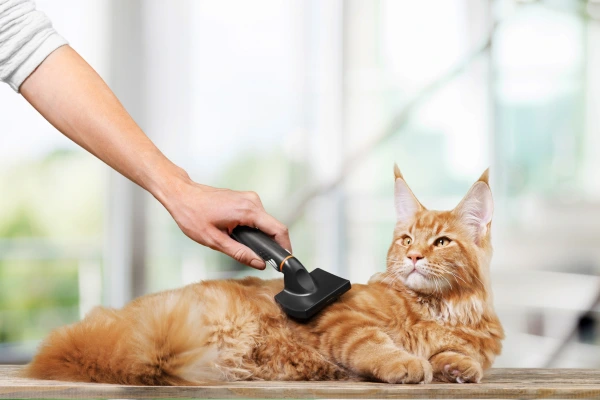
Yes. Regularly brushing your cat removes loose hair before they have a chance to swallow it.

Plus, there are other benefits of regular grooming:

  • It helps reduce excess shedding, keeping your cat's coat healthy.
  • There'll be less fur around your home.

Even a few minutes of brushing each week can make a big difference.

Cat being groomed

Does Diet Play a Role?

A healthy diet can support normal digestion, helping swallowed hair move through the digestive system more easily.

Choosing recipes made with high-quality, natural ingredients can help support your cat’s overall wellbeing. Protein-rich foods are especially important, as cats are naturally carnivores and rely on animal protein to thrive.

Why is Hydration Important?

Good hydration supports healthy digestion and can help keep everything moving as it should. Tips to help keep your cat hydrated:

  • Provide fresh water daily.
  • Use a cat fountain.
  • Feed moisture-rich wet food or bone broth.

Many cats naturally get some of their daily fluid intake through wet food, making it a great addition to their feeding routine.

When Should You See a Vet?

Occasional hairballs are usually nothing to worry about. However, it’s a good idea to contact your vet if your cat:

  • Produces hairballs very frequently.
  • Repeatedly retches or gags without bringing up a hairball.
  • Experiences a loss of appetite.
  • Appears lethargic or less active than usual.
  • Shows signs of constipation or digestive discomfort.

These symptoms could indicate that a hairball is causing a blockage or that another underlying health issue is contributing to the problem.

Keeping Hairballs to a Minimum

Hairballs are a normal consequence of your cat’s grooming habits, but frequent hairballs don’t have to be part of everyday life. Regular brushing, good hydration and a nutritious, high-quality diet can all help support healthy digestion and reduce the likelihood of hairball build-up.

By taking a proactive approach to grooming and nutrition, you can help keep both your cat and your carpets a little happier.

Share this article

#LoveWhatsInside