
Cat Breath? How to Care for Your Cat’s Teeth


If your cat’s breath has you turning away, it could be more than just a bad smell. Learn how to care for your cat’s teeth, spot early signs of gum disease, and discover simple ways to keep their smile healthy and fresh.

Have you ever noticed a less‑than‑pleasant pong when snuggling close to your cat? Cats’ bad breath is more than just an inconvenience; it can be one of the first signs of dental problems. And just like humans, good dental hygiene is key to living a happy, healthy life.

At Encore, we know your bond with your pet is built on giving them the best. Caring for their teeth is one more way to show that love.
Bad Breath in Cats: Causes You Should Know

While a little morning breath is normal, persistent bad breath can suggest issues such as tartar build up, inflamed gums, or even infection. Causes of bad breath in cats often link back to food debris, plaque, or underlying gum disease and infection. Left untreated, these can lead to discomfort and more serious health problems.

How to Tell if Your Cat Has Gum Disease

Watch for these early signs:

  • Red or swollen gums
  • Drooling or pawing at the mouth
  • A reluctance to eat dry food
  • Persistent bad breath
  • Dropping food outside the bowl
  • Chewing on one side
  • Grinding their teeth

If you spot any of these, speak to your vet asap – early care can make all the difference.

How to Brush a Cat’s Teeth

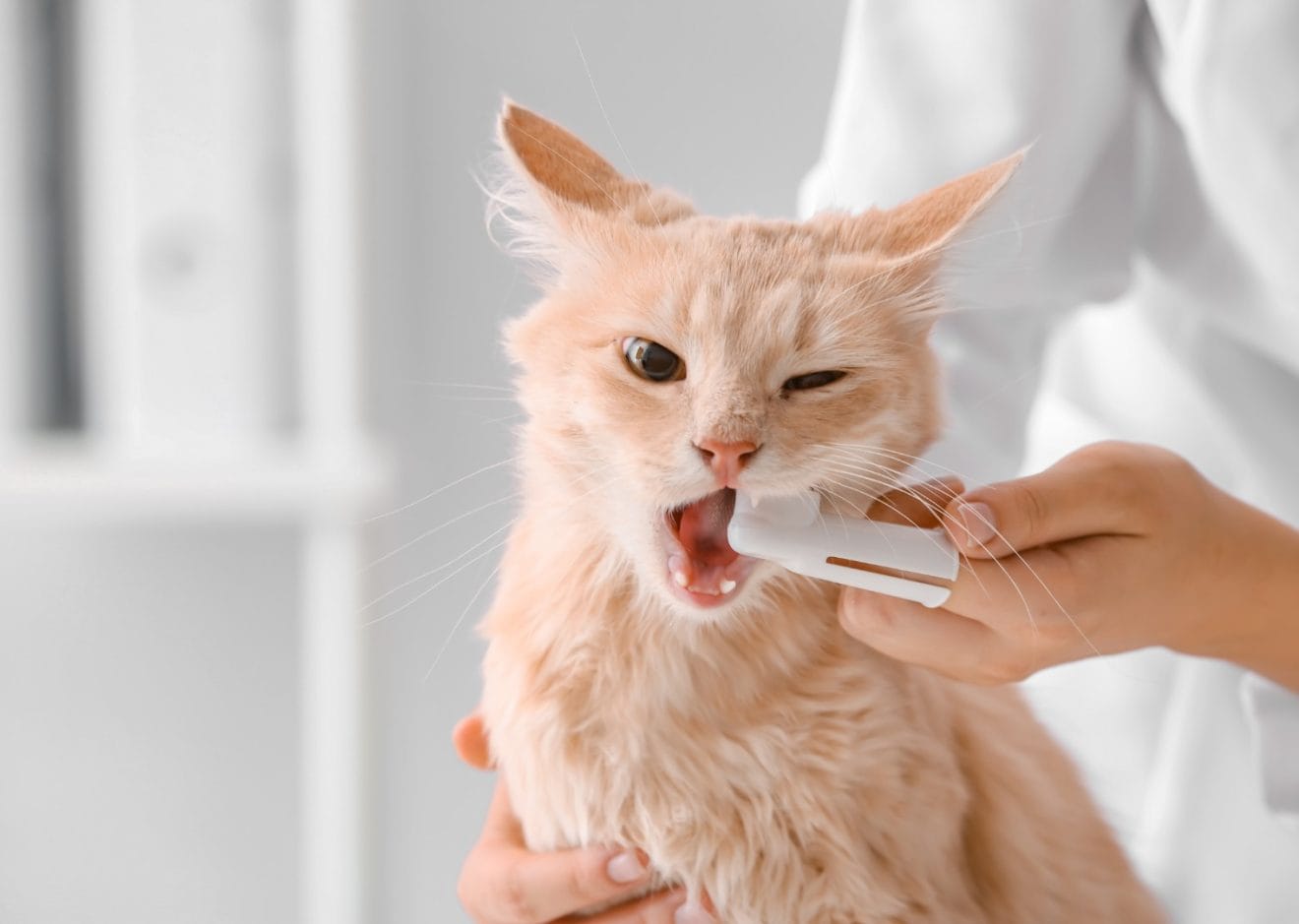
brushing a cat's teeth

It may sound ambitious, but brushing is one of the best ways to protect your cat’s dental health. Here’s how:

  • Use a soft‑bristled cat toothbrush or finger brush.
  • Choose a pet‑safe, vet recommended toothpaste (never human toothpaste).
  • Start slowly. Let your cat taste and sniff first.
  • Gently lift their lip and brush in small circles on the outer surfaces of the teeth.
  • Keep sessions short and calm, rewarding them with praise or an Encore treat afterwards.

How Often Should You Brush Your Cat’s Teeth

Aim for a few times a week, ideally daily if your cat allows. Regular brushing helps reduce plaque and keeps that close‑up cuddle breath fresh.

How to Clean Your Cat’s Teeth Without Brushing

If brushing isn’t possible, there are other ways to help:

  • Regular vet check‑ups for professional cleans
  • Special chew toys or dental diets
  • Dental treats designed to reduce plaque

What you feed your cat matters too. High‑quality, natural recipes are the best choice to support their overall health – and that includes their teeth and gums. When you choose food made with real, simple ingredients, you’re giving your cat more than a meal; you’re giving them care you can feel good about.

Keep your cat smiling. Watch for the signs, brush their teeth regularly, and feed them well, to help protect them for many more years to come.

Share this article

#LoveWhatsInside